Source Large Aquarium Air Compressor Pump for Home, Farm, Industry
Compare 30 listings for the large aquarium air compressor pump suitable for home, agriculture, and industrial applications. Buyers can evaluate models with varying wattages, materials, and certifications to find the right fit; compare the available evidence and request quotations based on your requirements.
Key considerations
Products List






Comprehensive Sourcing Guide
Large Aquarium Air Compressor Pump Sourcing Guide
Procuring large aquarium air compressor pumps requires a nuanced understanding of industrial-grade aeration needs versus standard residential setups. Buyers must distinguish between high-volume commercial units designed for aquaculture or large-scale public aquariums and smaller decorative models. The market offers a wide spectrum of capacities, ranging from compact 4W units to robust 500W industrial compressors. Understanding this distinction is critical for selecting equipment that meets specific oxygenation demands without over-engineering the solution or underperforming in high-density aquatic environments.
This guide focuses on verifying technical parameters, compliance standards, and supplier reliability for these specialized devices. Key attributes observed in current listings include customizable logos, eco-friendly materials, and various voltage options such as 110V and 220V. Buyers should prioritize suppliers who provide clear specifications on airflow output, noise levels, and power consumption. By aligning procurement strategies with these verified data points, organizations can ensure operational efficiency, reduce energy costs, and maintain optimal water quality for their aquatic installations.
Product Scope and Observed Listing Signals
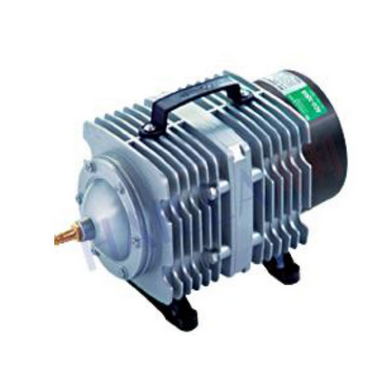
Current market listings reveal a diverse range of product configurations, including square and round aquarium shapes made from plastic or metal materials. Models such as CN-9100, CN-906, and Resun series indicate a variety of manufacturing origins, primarily from Guangdong, China. These units often feature eco-friendly designs and durable construction, catering to industrial, agricultural, and home usage scenarios. The presence of customized logo acceptance suggests that many suppliers offer OEM services, allowing buyers to brand equipment for resale or institutional use.
Observed specifications highlight significant variations in power standards, with options ranging from 1.5W to 500W. Some listings specify output capacities like 280L/min and pressure ratings above 0.045Mpa, which are crucial for large-scale applications. Packaging details typically include carton boxes designed for export, ensuring goods arrive in good condition. Buyers should note that while many items are stocked, others may require customization, affecting lead times and minimum order quantities. Verifying these signals helps in assessing supplier readiness and inventory stability.
Technical Specifications to Verify
When evaluating large aquarium air compressors, verifying power consumption and airflow efficiency is paramount. Listings show standards such as 40/60/80/100W or 17/25/35/40/50/100/105/230W, indicating diverse energy profiles. Buyers must confirm the actual wattage against the claimed output to ensure energy efficiency. Additionally, noise levels below 65dB are a common feature, which is essential for maintaining a quiet environment in public or residential settings. Confirming these metrics prevents unexpected operational disruptions and ensures compliance with facility noise regulations.
Voltage compatibility and frequency standards are also critical technical considerations. Most units support 110V/220V inputs with 50/60Hz frequencies, but specific models may have stricter requirements. For instance, some high-power units operate at 220-240V with a 500W rating. Buyers should verify plug types, such as US plugs, and ensure that the electrical infrastructure matches the equipment specifications. Dimensional data, such as 310155189 mm for certain models, helps in planning installation space. Accurate verification of these parameters avoids compatibility issues and ensures seamless integration into existing systems.
Compliance and Safety Documentation
Safety certifications are non-negotiable for electrical equipment used in aquatic environments. Buyers must request valid CE certification documents to ensure that the air compressors meet European safety, health, and environmental protection standards. This certification is particularly important for imports into regions with strict regulatory frameworks. Verifying the authenticity of these certificates through the issuing body adds a layer of security, ensuring that the products have undergone rigorous testing for electrical safety and material toxicity.
In addition to electrical safety, documentation regarding material composition and environmental impact should be reviewed. Many listings highlight eco-friendly features, but buyers should seek detailed material safety data sheets (MSDS) to confirm that plastics and metals used are non-toxic and safe for aquatic life. Packaging details, such as export-standard carton boxes, should also be verified to ensure they meet international shipping regulations. Proper documentation not only facilitates customs clearance but also demonstrates the supplier’s commitment to quality and regulatory compliance, reducing legal and operational risks.
Cost Drivers and Commercial Terms
Several factors influence the final cost of large aquarium air compressors, including power rating, material quality, and customization options. Higher wattage units, such as those at 500W, typically command higher prices due to increased material and manufacturing costs. Customization, such as adding a specific logo or altering packaging, may incur additional fees. Buyers should also consider the minimum order quantity (MOQ), which ranges from 1 to 300 units, as larger orders often benefit from volume discounts. Understanding these cost drivers helps in budgeting accurately and negotiating favorable terms.
Shipping and logistics costs are significant components of the total procurement expense. The port of dispatch, such as Huang Pu, and the origin location in Guangdong, China, impact freight rates. Buyers should clarify whether the quoted price includes export packaging and insurance. Supply ability, often listed as 5000 units per month, indicates the supplier’s capacity to handle large orders without delays. Negotiating clear commercial terms, including payment methods and delivery schedules, ensures transparency and prevents hidden costs from eroding profit margins or increasing project budgets.
Supplier Qualification and Quality Control
Evaluating supplier qualifications is essential for ensuring consistent product quality and reliable service. Buyers should verify the supplier’s production capabilities, including their monthly supply ability and factory certifications. A robust quality control process should be in place, covering raw material inspection, assembly checks, and final product testing. Suppliers who offer customized solutions should demonstrate their ability to maintain quality standards across different product variations. Requesting sample units before placing bulk orders allows buyers to assess build quality, noise levels, and performance firsthand.
Communication and responsiveness are also key indicators of supplier reliability. Buyers should assess how quickly suppliers respond to inquiries and provide technical support. Clear communication regarding lead times, packaging details, and after-sales service is crucial for smooth procurement. Suppliers who provide detailed product descriptions, including model numbers like CN-909 or ACO, demonstrate professionalism and attention to detail. Establishing a strong relationship with a qualified supplier ensures long-term partnership benefits, including priority support and consistent product availability, which are vital for maintaining operational continuity.
Long-Term Procurement Checks
Establishing long-term procurement strategies involves regular performance reviews and supplier audits. Buyers should monitor product durability and energy efficiency over time to ensure that the air compressors continue to meet operational needs. Tracking maintenance requirements and spare part availability helps in planning for long-term upkeep. Suppliers who offer warranties and responsive after-sales support are preferable, as they reduce downtime and extend the lifespan of the equipment. Regular feedback loops with suppliers can drive continuous improvement in product quality and service delivery.
Market trends and technological advancements should also be considered in long-term planning. As energy efficiency standards evolve, buyers should stay informed about new models with lower power consumption and higher output. Diversifying the supplier base can mitigate risks associated with single-source dependencies. Building a comprehensive database of supplier performance metrics, including delivery times and product defect rates, enables data-driven decision-making. By proactively managing these aspects, organizations can optimize their procurement processes, reduce costs, and ensure sustainable growth in their aquatic operations.
FAQs
How do I choose the right power rating for a large aquarium air compressor pump?
Match the wattage to your tank size and required airflow rather than choosing the highest power available. Listed models span roughly 1.5W up to 500W, with outputs such as 280L/min on larger units. Calculate the total air volume needed for your aquarium, then select a model in the 40/60/80/100W or higher standard range that meets that demand.
Can I use one air pump model for both large and medium aquariums?
Yes, many models are specified for large, middle, and mini aquarium sizes, so one unit can serve different tanks if its output is sufficient. Check the pump's output rating, such as 280L/min, against your total air demand across all tanks. For multiple large tanks, a higher-wattage model in the 100W to 500W range is usually more appropriate.
What voltage options are available for large aquarium air compressor pumps?
Common listed options include 110V/220V and 220-240V at 50/60Hz frequency, so most regional power systems are covered. Confirm your local mains voltage and frequency before ordering, and verify the plug type, since some models ship with a US plug in stock. Choosing the correct voltage avoids returns and ensures safe continuous operation.
Which noise level is acceptable for an aquarium air compressor in a home setting?
Look for models rated below 65dB, which keeps operation comfortable in home, office, or commercial display environments. Noise depends on both the pump design and installation surface, so placing the unit on a stable, vibration-dampening base helps. For quiet spaces, compare noise specifications across models before committing to a purchase.
Can large aquarium air compressor pumps be customized with my own logo and packaging?
Yes, customization is available, including accepting a customized logo, and carton packing is standard for shipping. This suits distributors and brand owners who want private-label equipment. Expect customization to affect minimum order quantities and lead times, so confirm details with the supplier before placing your order.
What certifications should I check before importing an aquarium air compressor pump?
CE certification is listed for available models and is essential for many markets in Europe and beyond. Ask for the certificate documents and verify they match the exact model number you plan to order. Depending on your destination market, you may also need to confirm local electrical compliance for the voltage and plug configuration you require.
How is a large aquarium air compressor pump typically packed for shipping?
Units are packed in cartons or carton boxes with export packaging designed to ensure goods arrive in good condition. Larger models are heavy, with one listed unit weighing 35.80KG gross, so sturdy carton packing matters for freight. Confirm carton dimensions and stacking limits with your forwarder when planning container loading.
What materials and durability features matter in these air pumps?
Listed models commonly use metal construction and are marketed as durable and eco-friendly, with some also stocked items. Metal housings generally handle continuous duty better in industrial or agricultural aeration settings. Match the material and duty rating to your usage environment, whether home aquariums, agriculture, or industrial applications.